

Sri Lankan Food: How to Experience the Island’s Best Culinary Delights the Authentic Way

Imagine starting your day with a plate of steaming hoppers, crisp at the edges and soft in the middle, served with spicy sambol. Picture wandering through a bustling market, watching vendors scoop fragrant curry into clay pots. I’ve been lucky enough to experience exactly that myself, and trust me, it’s worth every bite. Sri Lankan food is so much more than just curry and rice. It’s a vibrant mix of spices, stories, and generations old traditions that turn every meal into an experience.
This guide will show you how to experience Sri Lanka’s culinary delights the authentic way, whether you’re here for a week or a lifetime.
I will also explore the top foods to try, where to find them, how to join cooking classes, and even the regional differences that make Sri Lankan food so diverse. You’ll learn how to eat like a local, from street food tours to village feasts, and discover experiences that connect you to the land and its people. As a bonus I will even share a simple recipe you can try at home.
Need Help Planning The Perfect trip To Sri lanka
I want to make it easy for anyone. Regardless of budget, travel experience, or group size, to confidently plan a memorable trip from start to finish.
Understanding Sri Lankan Food
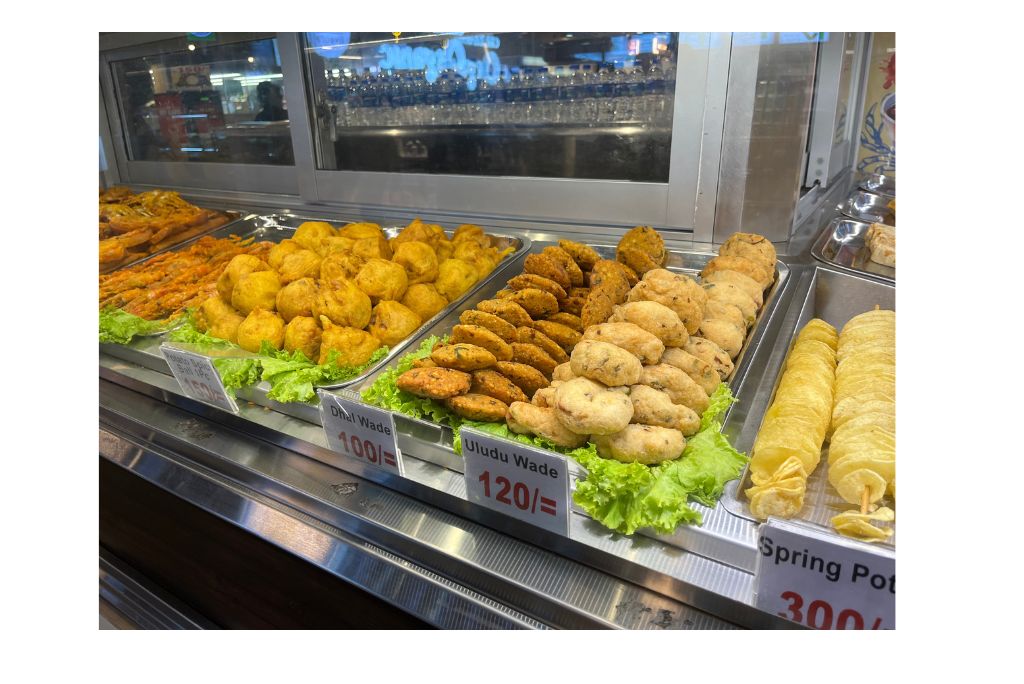
Sri Lankan food is bold, colorful, and deeply connected to the island’s identity. It blends influences from South India, Malaysia, Portugal, and the Netherlands, yet remains distinctly Sri Lankan. At its core are spices, cinnamon, cardamom, cloves, coriander, cumin. Balanced with coconut milk, fresh herbs, and chilies. Meals typically consist of rice accompanied by several curries, sambols, and pickles, each offering contrasting flavors.
Freshly grated coconut and coconut milk are used extensively, giving the cuisine a rich, creamy texture without overpowering the spices. The variety of cooking methods from slow simmering to quick stir-frying adds depth to the flavors.
Similarly, Sri Lankan cuisine is adaptive; coastal communities incorporate more seafood, while inland areas focus on root vegetables. Dining here is communal, with food often shared from large platters, reinforcing the cultural value placed on togetherness.
| Cinnamon | Sweet, woody | Curries, desserts |
| Cardamom | Floral, citrusy | Rice dishes, tea |
| Cloves | Warm, pungent | Meat curries |
| Coriander | Earthy, nutty | Vegetable curries |
| Cumin | Savory, smoky | Dal, spice mixes |
Visitors to the island can expect not just a cooking class, but a full on sensory journey. From picking curry leaves in a home garden to sipping tea while your dhal simmers over a clay stove. More holiday makers are seeking hands-on participation in local food traditions. And the culinary delights of Sri Lanka shine through in coastal seafood dishes and inland vegetarian feasts, making the country a truly dynamic destination for gastronomic exploration.
But the best way to enjoy Sri Lankan cuisine isn’t just to taste it. It’s to learn how it’s made, side-by-side with local chefs, home cooks, and traditional culinary experts.
Regional Sri Lankan Food Culinary Delights
Sri Lanka’s food changes as you travel across the island, revealing a tapestry of flavors shaped by geography and culture.
So, where should you stay if you want to dive deeper into the island’s food culture and pick up a few authentic Sri Lankan cooking skills of your own? Below are a few of my favourite spots for unforgettable culinary experiences. Including cooking classes, garden-to-table dining, village-style meals, and hands-on workshops that bring the island’s flavours to life.
Coastal Sri Lankan Food Regions
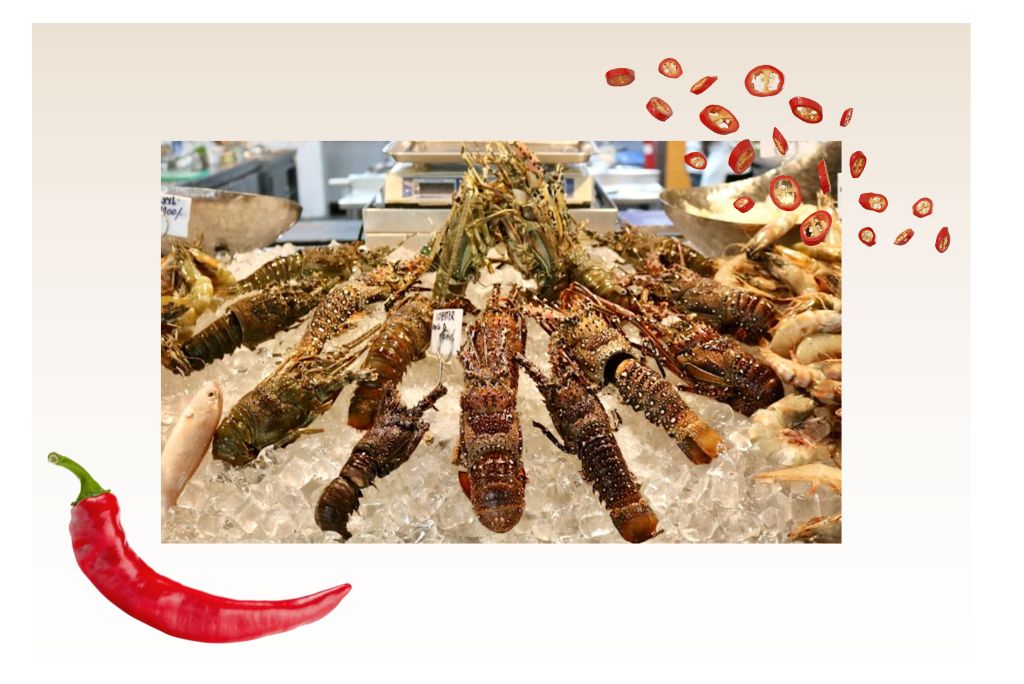
Here, seafood dominates. In Negombo and Trincomalee, you’ll find crab curry, prawn curry, and fish ambul thiyal, a sour, spiced fish dish cooked until dry. Coastal influence means plenty of fresh catches, often cooked within hours of being landed. Recipes here frequently use tamarind or goraka for a tangy twist, cutting through the richness of the seafood. Street stalls near harbors sell fried fish snacks, while family-run eateries serve elaborate seafood feasts.
Galle and the Southern Coast: Village Kitchens and the Culinary Delights of Sri Lanka
Down south, the Galle District offers some of the most immersive village cooking experiences. Imagine cooking in an open-air kitchen with a wood-fired stove, the sound of the ocean in the background, and fresh fish caught that morning.
A Village Cooking Experience in Galle often includes a garden-to-table component: you might pick your own chillies, coconuts, and curry leaves before preparing dishes like jackfruit curry. Teaching chefs here often weave in coastal food traditions, explaining how the monsoon seasons influence fishing patterns and ingredient availability. The relaxed seaside pace and fresh ocean breeze make the cooking process as enjoyable as the meal itself, turning each class into a sensory memory you’ll cherish long after you’ve left.
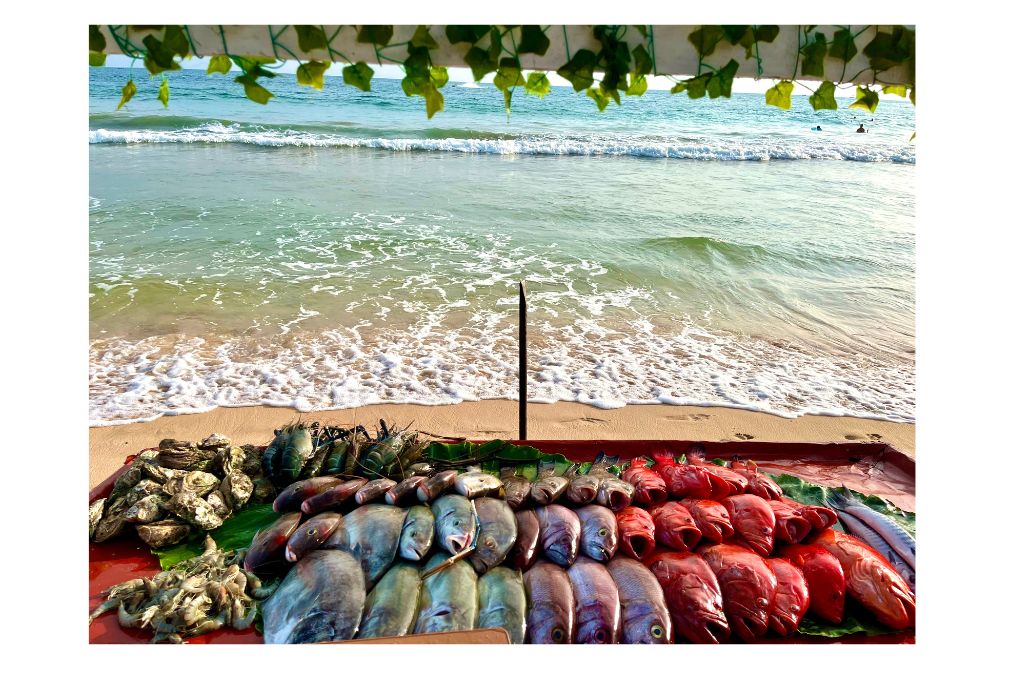
Learn more about the Galle region, including the best beachside, where to stay and how to travel here.
Northern Sri Lankan Food
In Jaffna, Tamil influences shine through. Jaffna crab curry, mutton curry, and fiery spice blends are common. Cooking here leans heavily on chili powder and curry leaves, producing deeply aromatic dishes. Rice flour-based snacks like string hoppers are also prevalent. Meals are often accompanied by fresh chutneys made from mango or lime, providing balance to the heat.
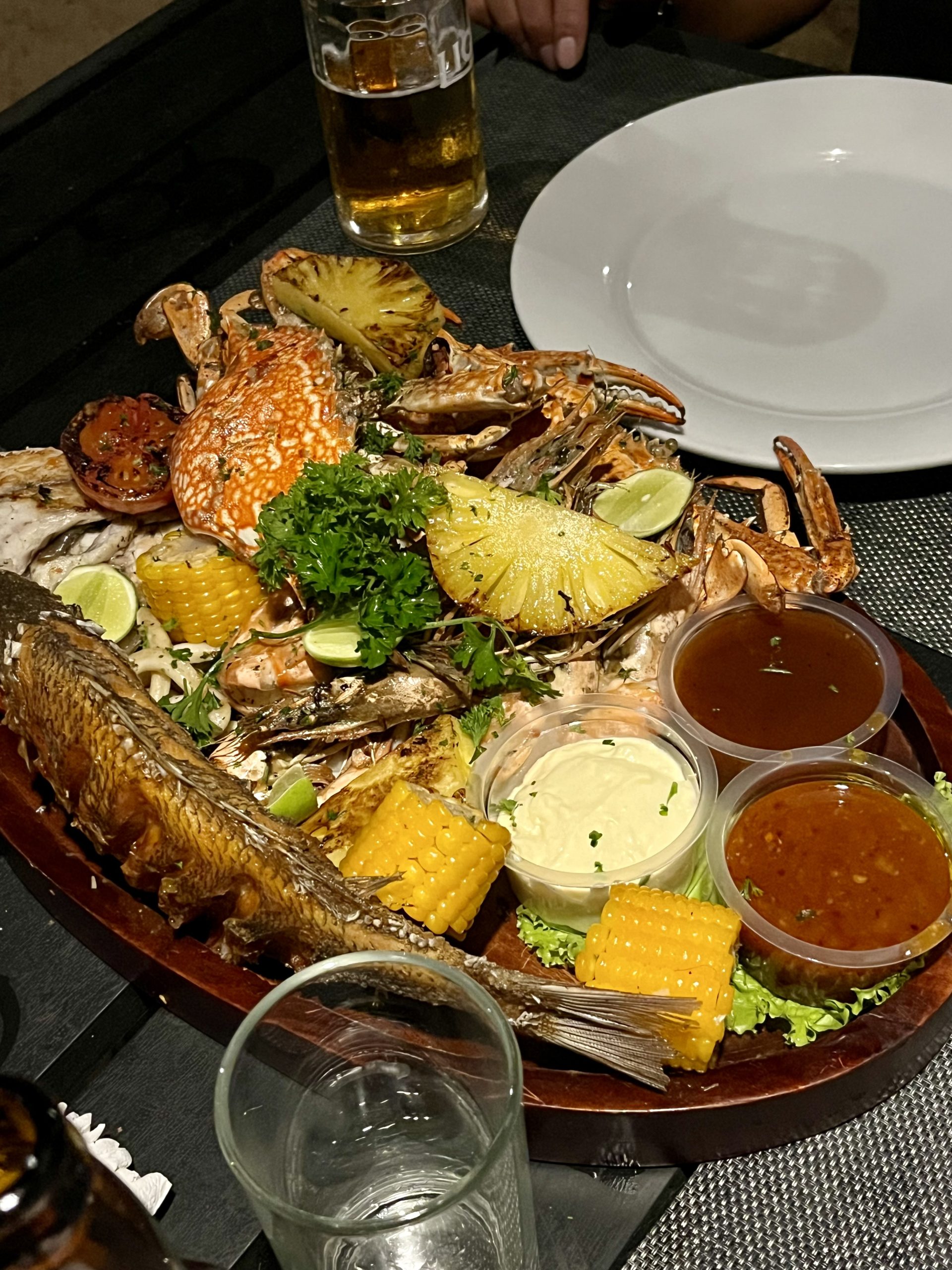
Colombo: Gateway to the Culinary Delights of Sri Lanka
If you’re starting in Colombo, the capital offers a blend of modern culinary schools and traditional market tours. Here, you can join half-day workshops where chefs guide you through making string hoppers, coconut sambol, and pittu.
The experience often begins at Pettah Market, where the air is thick with the scent of cardamom and cinnamon. You’ll learn how to identify the freshest produce and how spice freshness can make or break a curry. Some classes even include visits to specialty spice shops and tea merchants, allowing you to understand the nuances of premium Ceylon tea and its pairing with meals. Colombo’s culinary scene is ideal for those wanting a mix of urban energy and traditional flavors, providing a perfect starting point for your island-wide food journey.
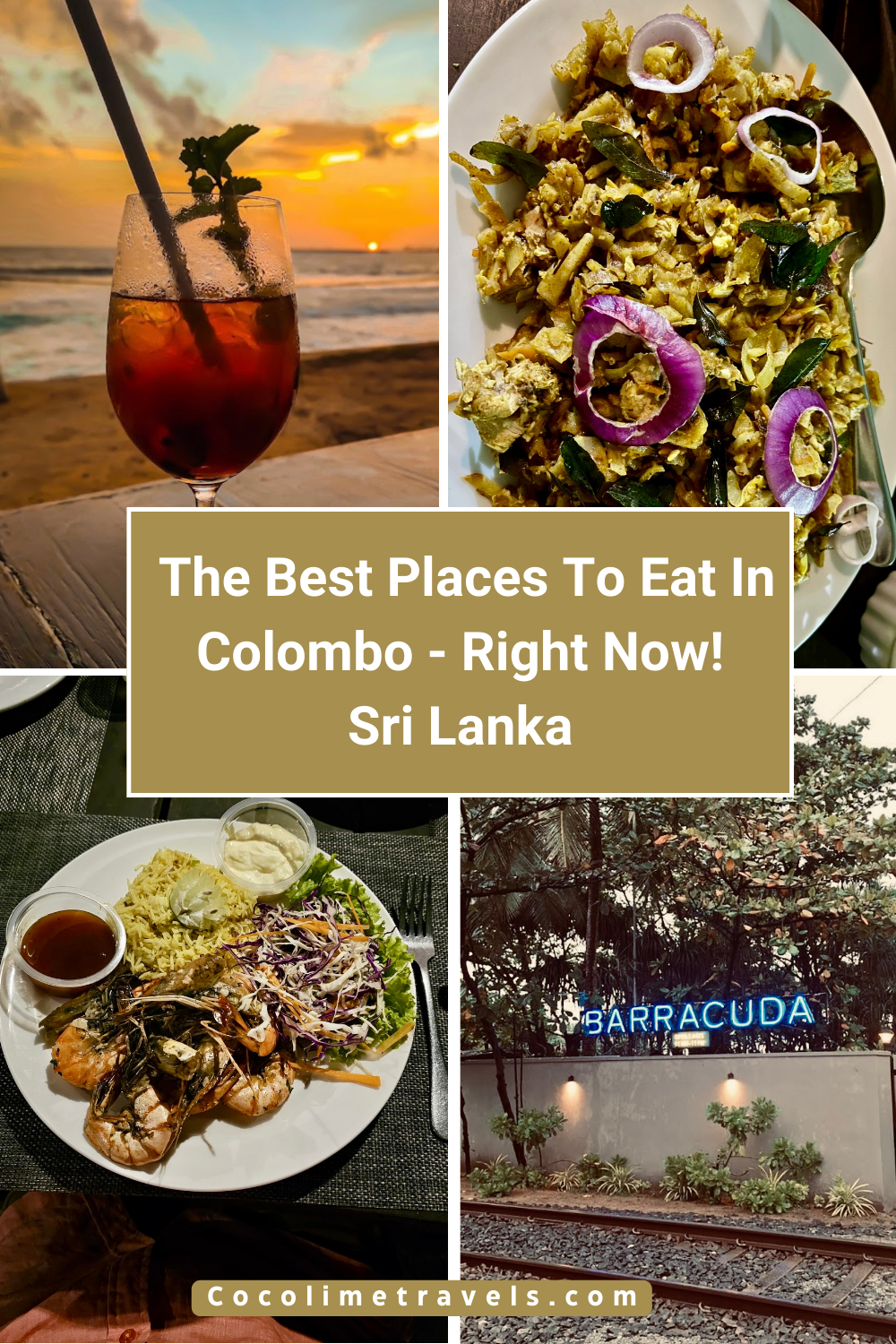
For more on exploring the capital’s food scene, see my best places to eat in Colombo guide.
Kandy and the Central Highlands: Spice and the Culinary Delights of Sri Lanka
Kandy and Nuwara Eliya offer hearty vegetable curries and teas to match the cooler climate. You’ll find rich jackfruit curry and pol roti served with coconut sambol. Highland cooking often emphasizes root vegetables like sweet potatoes and yams, and incorporates locally grown spices like pepper and nutmeg. Tea culture is strong here, with mid-morning breaks featuring black Ceylon tea and small sweet bites.
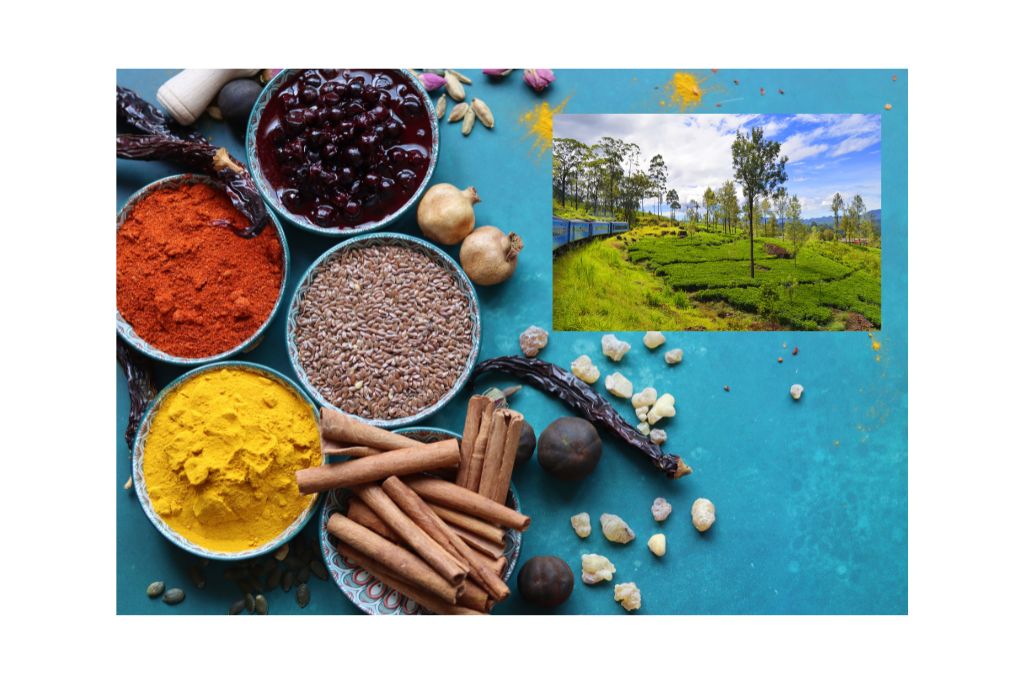
In Kandy, cooking classes often integrate spice plantation tours. The Matale region, in particular, is famous for its pepper, nutmeg, and clove farms. A typical day might involve walking through a lush spice garden, learning Ayurvedic principles of food, and then cooking a balanced meal that reflects the region’s cooler climate.
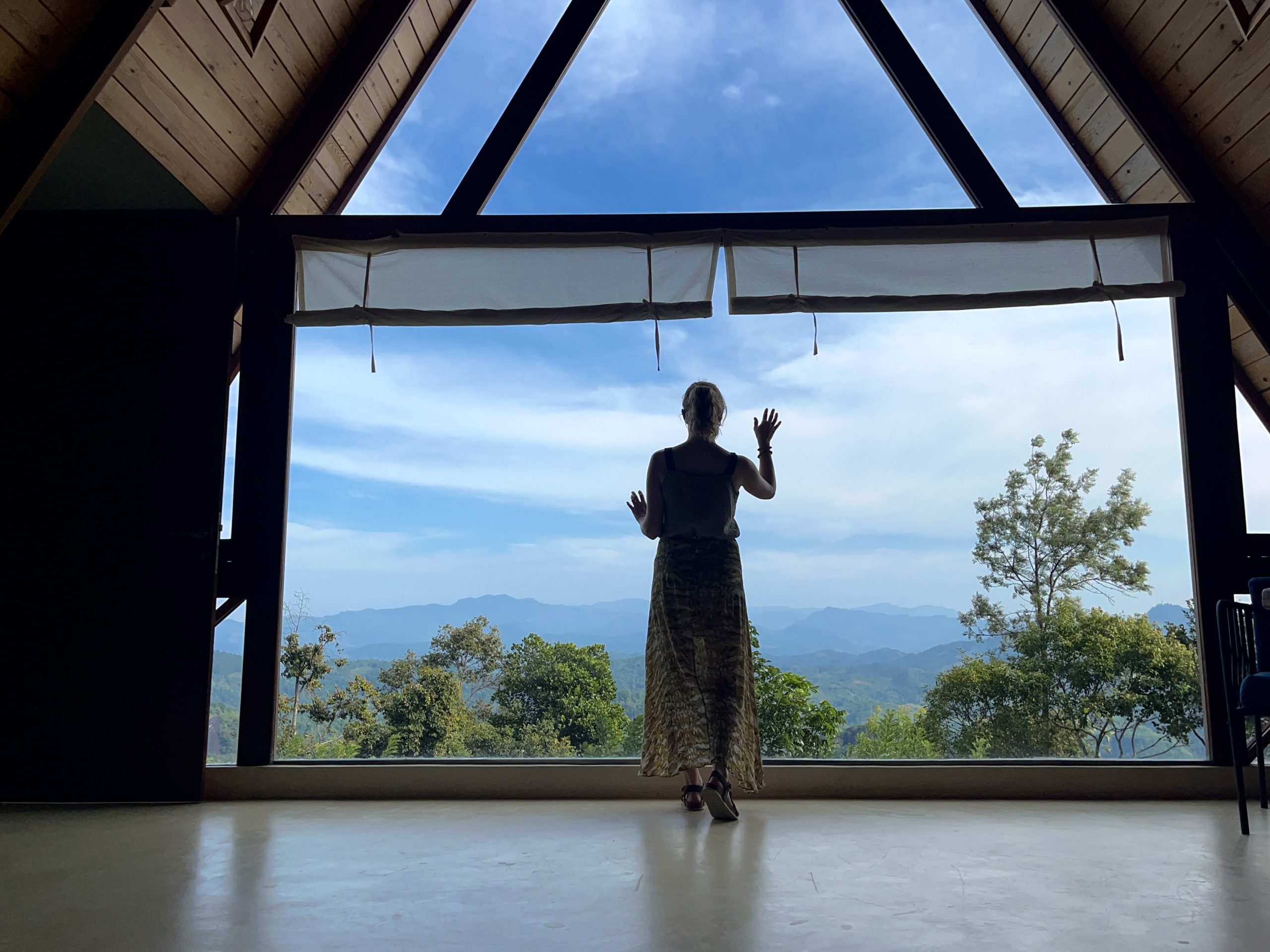
The cooking Class by FFL is a favorite here, especially for those who want to master the balance of spices in traditional curries. It’s a slower, more meditative experience compared to the bustling pace of Colombo. Participants often remark on the tranquility of the surroundings, where birdsong replaces traffic noise and the aroma of freshly ground spices fills the air. The highland environment also influences recipes, with more emphasis on warming spices and hearty vegetable dishes suited to cooler evenings.
✅ To make your Kandy trip even better, check out my unique places to stay in this beautiful part of the island. Experience exceptional hospitality and stunning views.
Cooking Classes in Sri Lanka
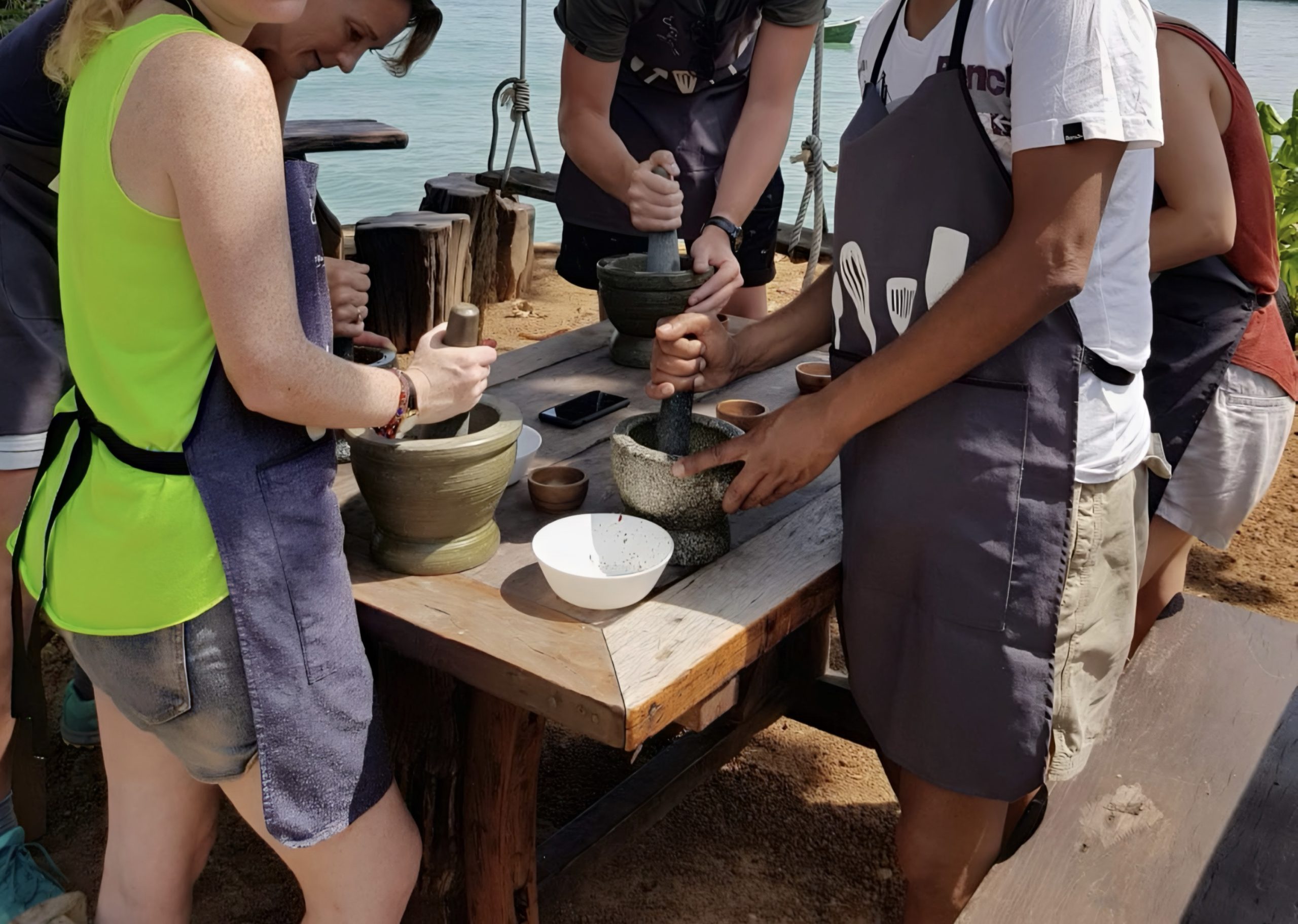
Cooking classes are one of the best ways to truly connect with Sri Lankan food. Many classes start with a market visit. You’ll walk through stalls of fresh vegetables, spices, and seafood, learning how to identify quality produce. Then, you’ll head to a local kitchen, sometimes in a village home, to cook traditional dishes using age-old techniques. Instructors often share personal stories about the recipes, explaining how certain dishes are tied to festivals or family gatherings. Popular cooking class destinations include:
- Galle: Market tours followed by coastal seafood curries.
- Kandy: Focus on highland vegetables and spice blends.
- Ella: Rustic cooking with coconut-based recipes.
Additionally, these classes often include making pol sambol, dhal curry, and hoppers from scratch. You’ll learn not just recipes, but techniques. How to roast spices until fragrant, how to temper mustard seeds, and how to balance flavors between heat, sourness, and creaminess. Participants often leave with printed recipe cards and a deeper appreciation for the effort behind each dish.
✅ For more information on cooking classes, click here. You’ll find them all over the island. So no matter where you decide to stay, there’s a good chance a fantastic class is just around the corner.
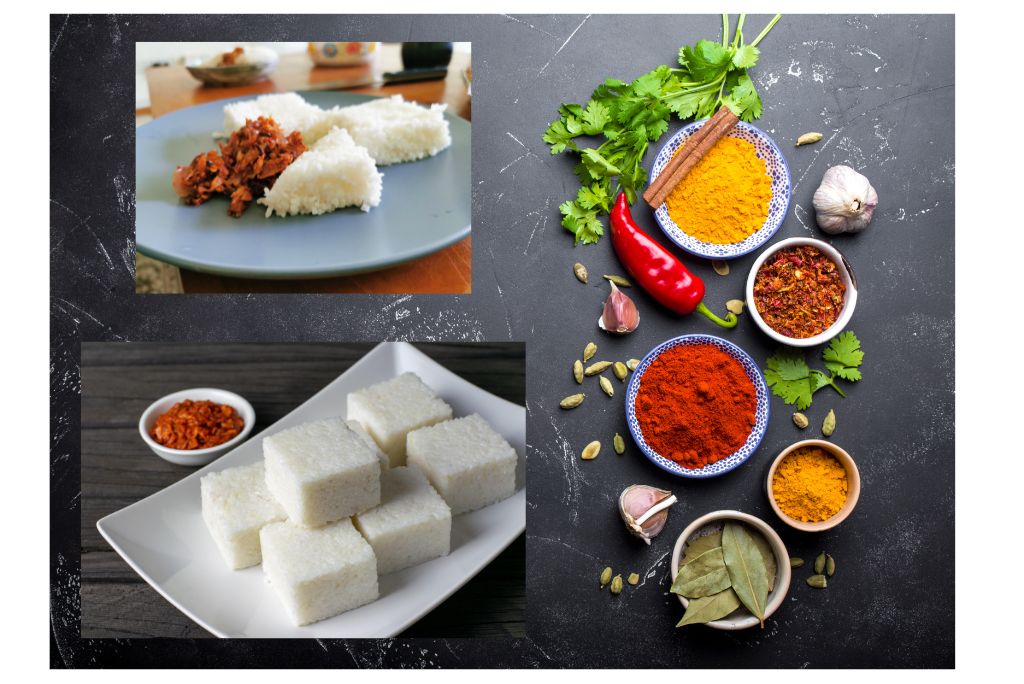
Free Recipe: Sri Lankan Milk Rice (Kiribath)
I completely fell in love with this snack, and the best part? It’s surprisingly simple to make. Even better, you can dress it up with berries, chocolate, or anything you fancy for a sweet, dessert-style twist.
Ingredients:
- 1 cup white raw rice
- 2 cups water
- 1 cup thick coconut milk
- 1 tsp salt
Instructions:
- Rinse rice and cook with water until soft.
- Add coconut milk and salt, stir well.
- Cook until thick and creamy.
- Spread on a flat plate, press gently, and cut into diamond shapes.
Serve with lunu miris (spicy onion sambol) for a truly authentic savory touch.
Sri Lankan Spice Gardens & Tea Plantations
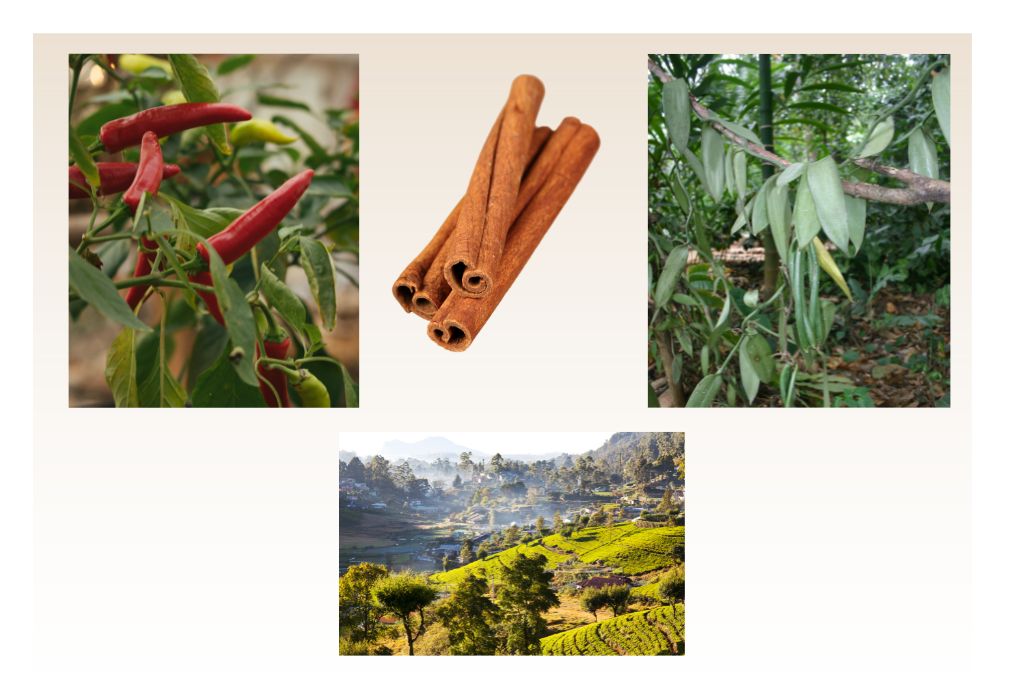
Another fun (and aromatic) way to dive into Sri Lanka’s food culture is by visiting a local spice garden. Visiting spice gardens shows you where Sri Lanka’s flavors begin. Guides explain how cinnamon is carefully stripped from tree bark, how cardamom pods are dried, and how pepper vines climb trellises. You’ll learn about the medicinal uses of many spices, a tradition passed down for generations. Many gardens offer cooking demos using freshly picked spices, allowing you to taste the difference freshness makes.
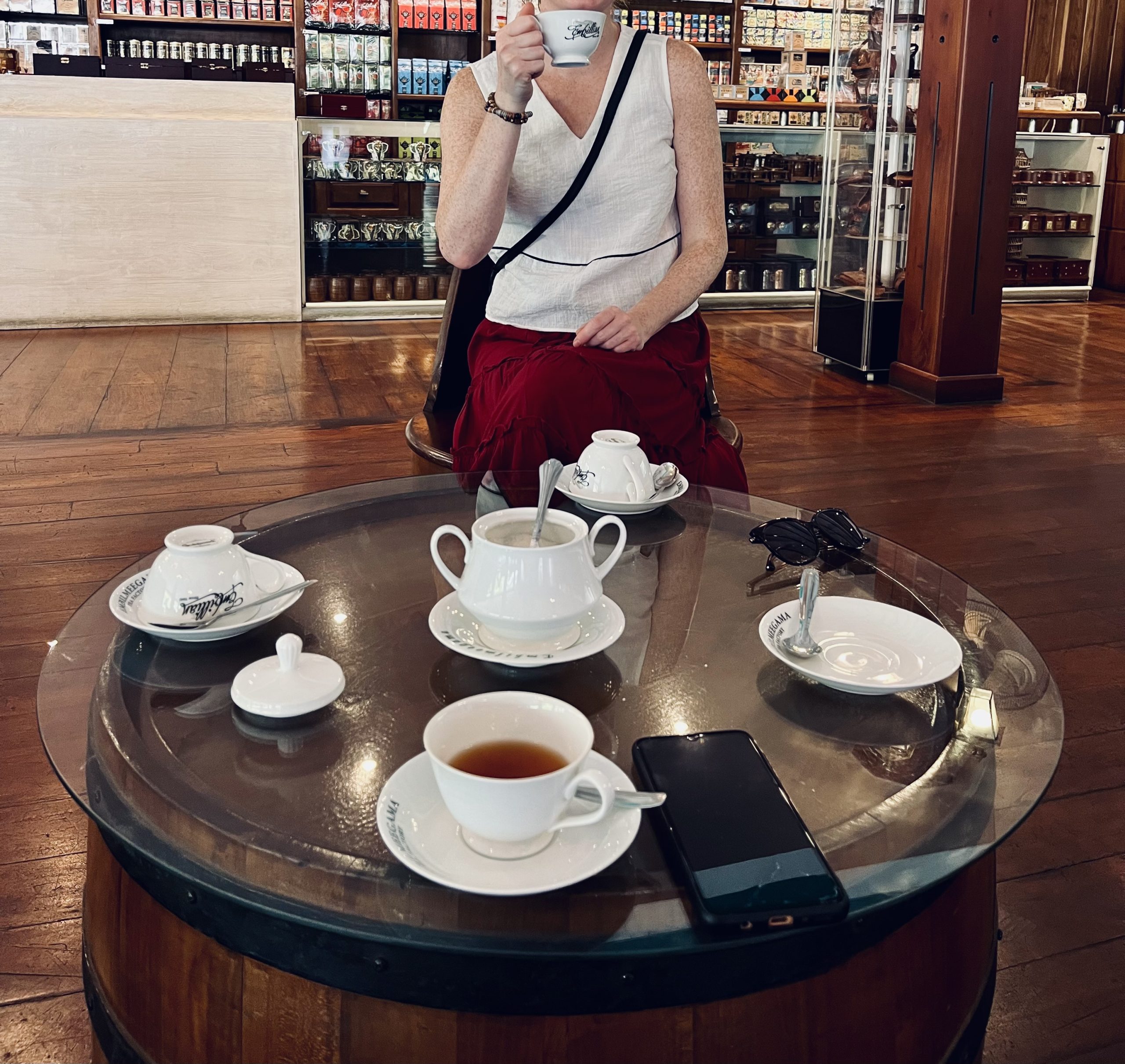
Tea plantations in Nuwara Eliya and Ella offer pairing experiences. Matching premium Ceylon tea with local snacks like coconut pancakes or spicy rolls. Walking through tea fields, you’ll see workers plucking delicate leaves, which are then processed in nearby factories. These visits highlight the connection between agriculture and cuisine, and often end with opportunities to buy high-quality products directly from the source.
✅ For the perfect day trip from Kandy, check out this experience where you can explore both a tea plantation and a nearby spice garden.
Street Food Experiences in Sri Lanka
Street food in Sri Lanka is vibrant and diverse, offering an affordable way to sample authentic flavors. In Colombo, night markets offer kottu roti (chopped flatbread stir-fried with vegetables, eggs, and meat) often accompanied by a spicy gravy. Hoppers come in plain or egg-filled versions, served with fiery onion sambols or creamy curries. You can watch the vendors prepare food in front of you, creating a sensory show of sizzling pans and fragrant steam.
In Galle, try isso wade. Prawn fritters sold by beachside vendors, crunchy on the outside and tender inside.
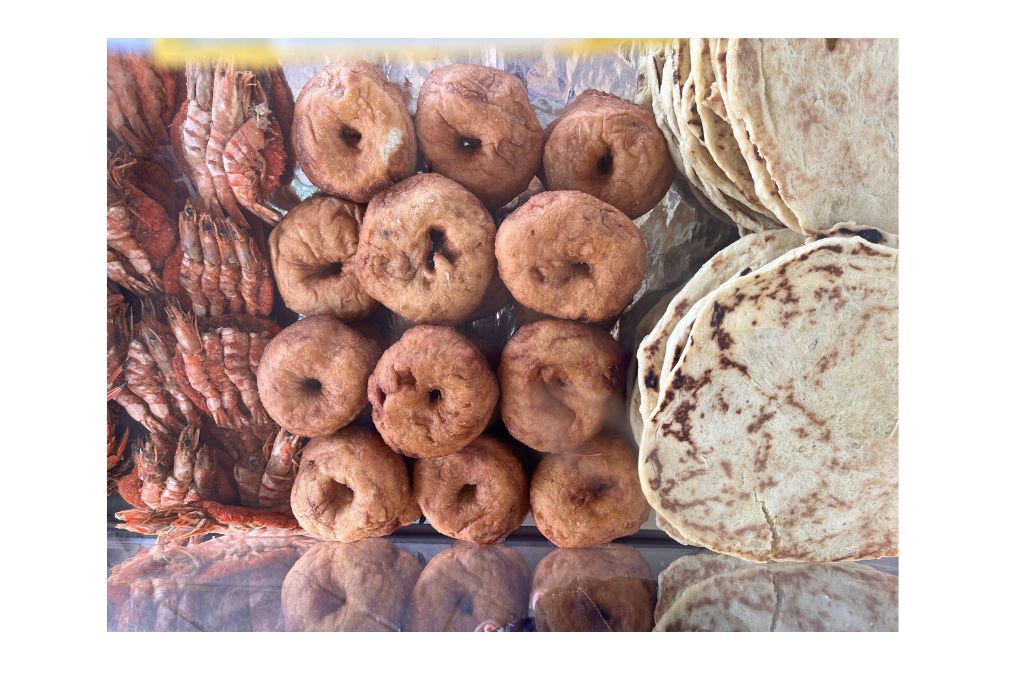
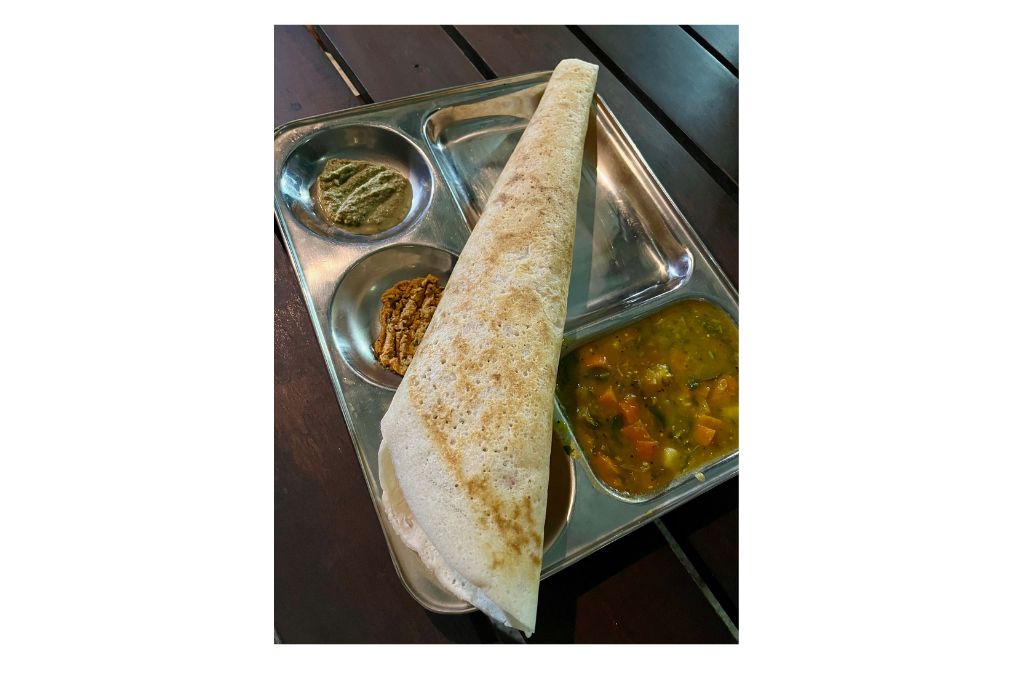
In Jaffna, sample spicy dosas and vadai, reflecting South Indian influence. Street food tours let you explore these flavors safely and with guidance.
✅ If you’d like to experience a guided food tour around Colombo, click here. It’s a great way to dive deeper into the city’s flavours. Guides will share the stories behind each dish, introduce you to the chefs who make them and point you toward the best (and freshest) street food stalls.
Village Feasts & Cultural Immersion in Sri Lanka
Village feasts are immersive experiences that go beyond eating. You might sit cross-legged on mats, eating from banana leaves that impart a subtle aroma to the food. Dishes are often cooked over wood fires in clay pots, giving them a distinct smoky flavor. Curries, sambols, and rice are served in abundance, with seasonal vegetables and locally caught fish. Meals are often accompanied by stories from elders, folk songs, and sometimes traditional dances. These feasts demonstrate how food connects families, marks celebrations, and reinforces social bonds.
✅ Visitors can participate in the preparation, learning to grind spices by hand or wrap sweets in plant leaves. It’s a chance to engage with the rhythms of rural life and appreciate the resourcefulness of communities who cook with what’s available locally. This Kandy food experience is a lot of fun – Click here to learn more!
Seasonal Food Festivals in Sri Lanka
Attending festivals like Avurudu (Sinhala & Tamil New Year) lets you taste traditional sweets such as kavum, kokis, and aluwa. These are prepared in homes and sold in markets during April, alongside savory treats like murukku and mixture.
Festival food is tied to rituals, for example, milk rice is prepared at dawn to symbolize prosperity. Other events like Vesak in May feature vegetarian dishes offered freely at roadside stalls, while harvest festivals celebrate local produce through communal meals. Experiencing these occasions gives you insight into Sri Lanka’s cultural calendar and the role food plays in marking time and tradition.
✅ Not sure when to visit Sri Lanka? Check out my guide on the best time to go — based on weather, seasonal highlights and the island’s biggest festivals and events.
Multi-Day Culinary Immersions and the Culinary Delights of Sri Lanka
For those seeking a more immersive culinary adventure, multi-day courses are becoming increasingly popular. These often combine cooking with cultural activities like temple visits, tea tasting, and handicraft workshops. They offer deeper cultural integration and a chance to develop real cooking skills.
Popular programs often include accommodation in boutique hotels or eco-lodges, and they prioritize sustainability. Participants might spend mornings mastering curries and afternoons exploring local markets or visiting farms to understand seasonal cycles. This holistic approach transforms cooking from a skill into a lifestyle, where every ingredient has a story and every meal connects you to the land and its people.
Sri Lanka Food & Adventure Tour: Taste, Cook, and Explore the Island’s Flavours
If you want an organised trip that serves up Sri Lanka’s flavours on a platter, I’ve found the perfect tour. One that lets you sample the country’s food scene while soaking up its most iconic landmarks.
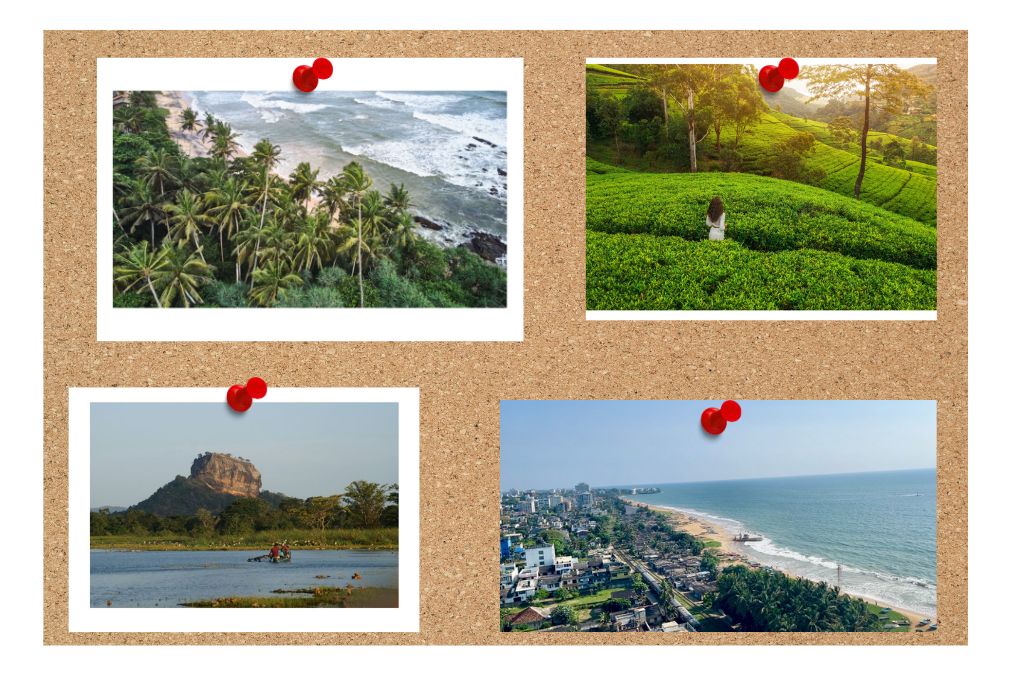
Across the journey, you’ll tick off essentials like the Temple of the Sacred Tooth and the mighty Sigiriya Rock Fortress, but the real magic happens in between. You’ll stroll through aromatic spice gardens, wander the lush fields of a tea plantation, and sit down to a homemade lunch in a rural village. You’ll even roll up your sleeves for a hands-on cooking lesson, learning how to craft Sri Lankan bread or traditional sweets. And yes… everything tastes better when you’ve helped make it.
✅ Of course, a Sri Lankan adventure wouldn’t be complete without a wildlife encounter or two. Depending on what excites you most, you can join a safari in Minneriya National Park to see its famous elephants, or head out to Hikkaduwa for whale and dolphin watching. It’s a wonderful mix of food, culture, nature, and adventure. Click here to find out more about this unforgettable 12 day tour, starting from £525pp.
Sustainability and Local Sourcing
Many cooking schools now emphasize sustainability. You’ll often find:
- Organic produce from local farmers
- Traditional clay pot cooking
- Zero-waste kitchen practices
These align perfectly with eco-conscious travellers’ values and add authenticity to the experience. Schools are also increasingly collaborating with community cooperatives to support rural economies, ensuring that tourism benefits reach beyond the classroom. By highlighting indigenous crops and heirloom recipes, these programs protect culinary heritage while reducing environmental impact, making your cooking experience both delicious and responsible.
✅ For more on sustainable travel and the best eco lodge stays in Sri Lanka, click here.
Planning Your Culinary Itinerary and Experiencing the Culinary Delights of Sri Lanka
Sri Lankan cuisine is full of bold flavours, fragrant spices, and dishes that are as fun to eat as they are to discover. I’ve included some of my favourites:

- Egg Hoppers (Appam) – Perfect for breakfast, these bowl-shaped pancakes with a soft, runny egg in the middle are a must-try. Top with sambol or curry for a flavour explosion.
- Kottu Roti – A hearty street food favourite, made by chopping roti with vegetables, eggs, or meat, and stir-frying it with spices on a hot griddle.
- Pol Sambol – A spicy coconut relish that pairs perfectly with rice, hoppers, or string hoppers.
- Fish Ambul Thiyal – A tangy, blackened fish curry from the coast that’s both aromatic and full of punch.
- Lamprais – A Dutch-influenced dish of rice, meat, and sambols, wrapped in a banana leaf. A delicious culinary adventure in every bite. Best found in Colombo’s heritage bakeries.
Beyond these Sri Lankan food classics, don’t miss String hoppers with kiri hodi (coconut milk gravy) And, of course, you can’t forget the epic Sri Lankan curry, complete with all the delicious sides that make it a true feast.
Seeking out these specialties in their home regions ensures you experience them at their freshest and most authentic.
Sample Sri Lankan Food Tour Itinerary
If you’re planning a food-focused trip, consider this sample itinerary:
Day 1-2: Colombo market tour and cooking class
Day 3-4: Travel to Kandy, spice plantation tour, cooking workshop
Day 5-6: Tea tasting and hill country cooking
Day 7-10: Galle village cooking and beach relaxation
This allows you to explore regional differences. From the coconut-rich curries of the coast to the peppery dishes of the highlands. Be sure to factor in travel times between regions, as journeys can be scenic but slow, and leave room for spontaneous stops at roadside eateries or street food stalls, which often offer unexpected culinary delights.
✅ For tips on getting around Sri Lanka, you can read about my own travel experiences here. From scenic train rides to private taxis, local buses, and even the occasional tuk-tuk adventure.
Sri Lankan Food Challenges & Tips for Food Travellers
- Some travellers worry about spice levels or hygiene. Choose guided tours for street food, and communicate your spice tolerance when ordering food or in cooking classes. Most chefs are happy to adjust heat levels.
- Carry bottled water and eat freshly cooked food to minimize risk.
- In addition, be open to trying vegetarian dishes, which are often lighter and easier to digest.
Sri Lankan Food Future Trends in Sri Lankan Culinary Tourism
The future is immersive and sustainable. Expect more farm-to-table dining experiences where visitors eat directly from the source of production. Eco-friendly cooking classes using renewable energy and zero-waste principles are emerging. Heritage recipe preservation projects are growing, with chefs documenting and reviving dishes that risk being forgotten. Technology will play a role too, with augmented reality tours of markets and virtual cooking classes connecting travellers globally to Sri Lankan food kitchens. Moreover, as global interest in wellness rises, Sri Lankan cuisine’s use of fresh, natural ingredients positions it as a contender in health-focused travel.
Sri Lankan Food Summary Insights
To experience Sri Lanka’s culinary delights authentically, you must participate. Cook, taste, and learn. Join cooking classes to understand spice blending, explore regional dishes to appreciate local diversity, and meet the people behind the food to connect with its cultural roots.
Furthermore, whether sipping tea in the highlands or enjoying seafood on the coast, each meal is a chapter in Sri Lanka’s story. Travellers who embrace these opportunities often find that the memories of shared meals outlast any souvenir.
Sri Lankan Food Conclusion
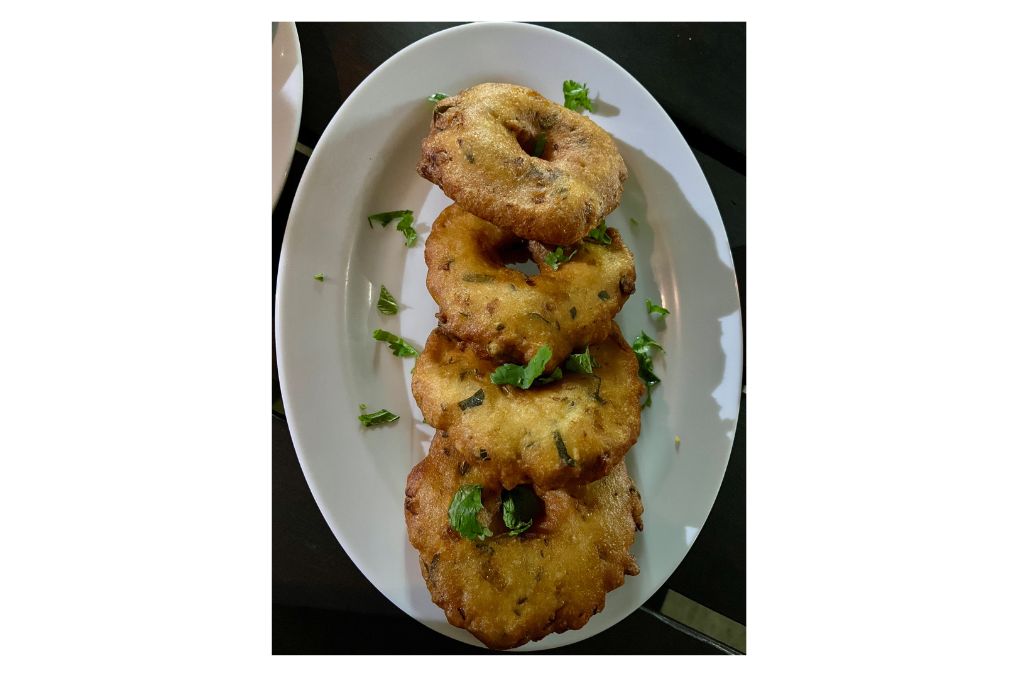
From cooking classes in Galle to street food in Colombo, every bite tells a story of history, geography, and community. For tourists, the most memorable meals are often those shared with locals, prepared with fresh ingredients, and seasoned with tradition.
The island invites you to step beyond the restaurant menu. Visit markets fragrant with spices, cook alongside village chefs, and taste the flavors shaped by centuries of influence.
Ultimately, whether you come for a week or stay longer, your authentic culinary adventure awaits, offering not just nourishment but a deeper connection to Sri Lanka itself. I know it has for me…..
Quick FAQs
Is Sri Lankan food spicy? Yes, but it can be adjusted. Many restaurants and hosts will tailor spice levels to suit your preference.
Are cooking classes suitable for beginners? Absolutely. Instructors guide you step-by-step, making them ideal for novices and seasoned cooks alike.
Can vegetarians enjoy Sri Lankan food? Yes, there are many vegetable curries, roti, and lentil-based dishes that are both satisfying and flavorful.
Is street food safe? Choose busy stalls with high turnover, and opt for freshly cooked items.